
IQ Test Score is more Than a Number — How Intelligence Testing Could Help Protect Your Brain
Every year, millions of people take IQ Tests to measure intelligence, prepare for employment assessments, or simply satisfy their curiosity. Yet few realize that these tests may have value far beyond identifying cognitive strengths. Increasingly, neuroscientists and psychologists are recognizing that periodic cognitive testing—including IQ-style assessments—could become an important tool for monitoring long-term brain health and detecting the earliest signs of cognitive decline.
While an IQ score alone cannot diagnose neurological disease, changes in cognitive performance over time may provide valuable clues about how the brain is aging.
What Is IQ?
IQ, or Intelligence Quotient, is a standardized measure designed to evaluate several core cognitive abilities, including:
- Logical reasoning
- Pattern recognition
- Problem-solving
- Working memory
- Processing speed
- Verbal comprehension
- Spatial reasoning
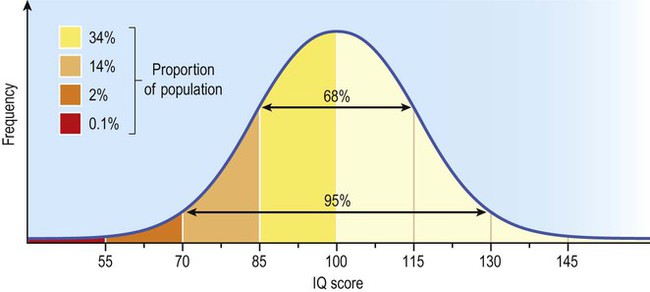
Modern IQ Tests compare an individual's performance with that of people in the same age group. The average score is set at 100, with approximately two-thirds of the population scoring between 85 and 115.
Importantly, IQ is not a measure of wisdom, creativity, emotional intelligence, personality, or life success. Instead, it reflects how efficiently a person's brain processes information across several cognitive domains.

Why Do We Use IQ Tests?
IQ assessments have been used for more than a century in education, psychology, medicine, and scientific research.
Today they serve several important purposes:
- Identifying gifted students
- Detecting learning disabilities
- Assessing cognitive strengths and weaknesses
- Supporting neurological evaluations
- Measuring the effects of brain injury
- Monitoring recovery after stroke or trauma
- Conducting scientific research on human cognition
Increasingly, cognitive assessments are also being explored as part of preventive healthcare.
Your Brain Changes Throughout Life
The human brain is remarkably adaptable.
During childhood and adolescence, neural connections form rapidly. In early adulthood, most cognitive abilities reach their peak. As people age, certain mental functions naturally slow.
Normal aging may include:
- Slightly slower information processing
- Mild decreases in working memory
- Longer reaction times
However, significant or accelerating declines may indicate something more serious.
Conditions such as Alzheimer, vascular dementia, Parkinson's disease, and other neurodegenerative disorders often begin years—even decades—before noticeable symptoms interfere with daily life.
The challenge is recognizing those subtle changes early enough to intervene.
Most people think of IQ as a fixed number.
In reality, the trend over time may be more informative than any single score.
Imagine someone who scores:
Age 25: IQ 118
Age 35: IQ 117
Age 45: IQ 116
This pattern is generally consistent with stable cognitive performance.
Now consider another individual:
Age 25: IQ 118
Age 35: IQ 112
Age 45: IQ 103
Although a score of 103 is still within the normal range, the downward trend may warrant further evaluation—especially if accompanied by memory problems or changes in daily functioning.
This illustrates an important principle in neurology: your own baseline may be more meaningful than population averages.
Can Regular IQ Testing Predict Dementia?
The answer is not directly—but potentially in combination with other assessments.
Current scientific evidence does not support using IQ tests alone to predict Alzheimer's disease or other forms of dementia.
However, repeated cognitive testing can reveal changes in:
- Memory
- Attention
- Executive function
- Processing speed
- Reasoning ability
These changes may prompt physicians to perform additional evaluations, including neurological examinations, brain imaging, laboratory testing, or more comprehensive neuropsychological assessments.
Researchers increasingly believe that establishing a cognitive baseline during adulthood could make it easier to recognize abnormal decline years before severe symptoms develop.

Early Detection Matters
Many neurological diseases develop slowly.
Brain changes associated with Alzheimer may begin 10–20 years before diagnosis.
The earlier cognitive decline is recognized, the more opportunities patients have to:
- Address cardiovascular risk factors
- Improve sleep quality
- Increase physical activity
- Manage diabetes and hypertension
- Treat depression
- Improve nutrition
- Participate in cognitive training
- Discuss emerging treatments with specialists
- Plan future medical care
Although no single intervention can completely prevent dementia, many lifestyle factors are associated with better brain health and may reduce overall risk.
Building a Personal Cognitive Record
Just as physicians monitor blood pressure, cholesterol, and blood sugar over many years, experts are beginning to view cognitive performance as another health metric worth tracking.
Periodic standardized cognitive assessments—perhaps every three to five years during adulthood and more frequently after age 60—could help establish an individual's normal cognitive trajectory.
Future digital platforms may allow people to securely store cognitive results over decades, creating a "brain health record" similar to an electronic medical history.
Artificial intelligence may eventually analyze these long-term patterns, helping clinicians distinguish normal aging from early neurological disease.
IQ Is Only One Piece of the Puzzle
Intelligence testing should never be viewed as a standalone diagnostic tool.
Comprehensive brain health evaluations may also include:
- Memory assessments
- Executive function testing
- Attention measurements
- Language evaluations
- Mood screening
- Genetic risk assessment
- MRI or PET imaging when appropriate
- Blood-based biomarkers
- Lifestyle and cardiovascular health assessment
Together, these measures provide a far more complete picture than any single test.
Looking Ahead
Medicine is steadily shifting from treating disease after symptoms appear to detecting risk much earlier.
Just as routine blood tests transformed the prevention of heart disease and diabetes, regular cognitive assessments may one day become a standard part of preventive healthcare.
An IQ score is not destiny, nor is it a diagnosis. But when tracked over time alongside other measures of brain function, it may become an important indicator of cognitive health.
In the future, the most valuable number may not be your IQ itself—it may be how that number changes over the course of your life.
Monitoring the brain with the same care we monitor the heart could help millions of people recognize cognitive decline earlier, seek timely medical evaluation, and preserve mental function for as long as possible.
The greatest promise of cognitive testing may not be measuring intelligence, but helping people protect it.
You can help this site by reposting its publications on social networks (Facebook, X (Twitter), Google and others)
Subscribe to our Telegram channel https://t.me/beautifulme_ca/ and YouTube channel


